How to Build Flavor from Scratch: Understanding the Basics of Seasoning
12/26/2025
10 Common Cooking Mistakes and How to Fix Them Easily
12/26/2025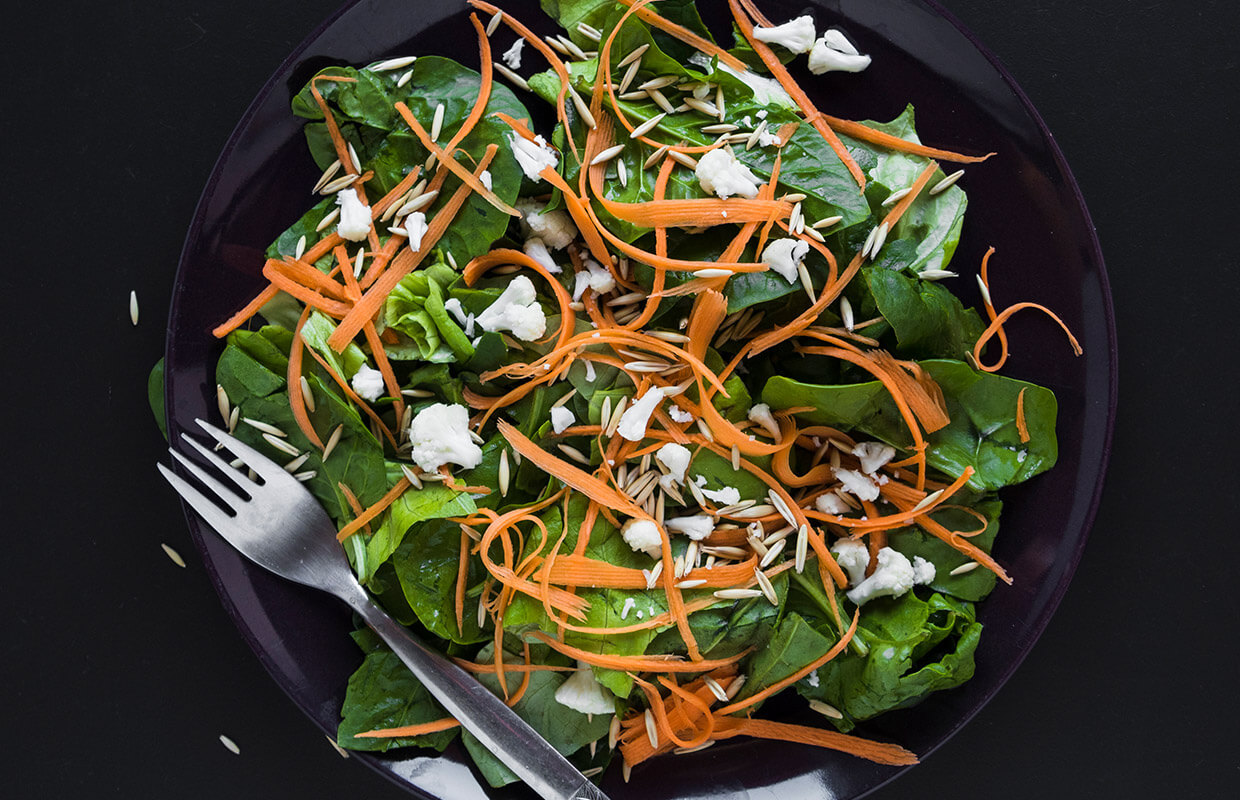
Understanding how ingredients work together is one of the most powerful skills in cooking. While recipes offer guidance, knowing why certain flavors pair well gives you freedom in the kitchen. With the right ingredient combinations, even simple meals can taste thoughtful, balanced, and complete.
Many home cooks rely on familiar pairings without understanding the logic behind them. This guide explains how ingredient pairing works and how you can use it to improve your cooking without memorizing endless recipes.
Why ingredient pairing matters
Every ingredient has its own flavor profile, texture, and intensity. When ingredients complement each other, they create harmony. When they clash, even high-quality ingredients can result in a disappointing dish.
Successful ingredient pairing is about balance. Sweet balances bitter, fat softens acidity, salt enhances everything, and aroma ties flavors together. When these elements work in harmony, food tastes natural and satisfying.
The foundation: flavor profiles
Most ingredients fall into a few basic flavor categories: sweet, salty, sour, bitter, and umami. Great dishes usually combine multiple categories without allowing one to dominate.
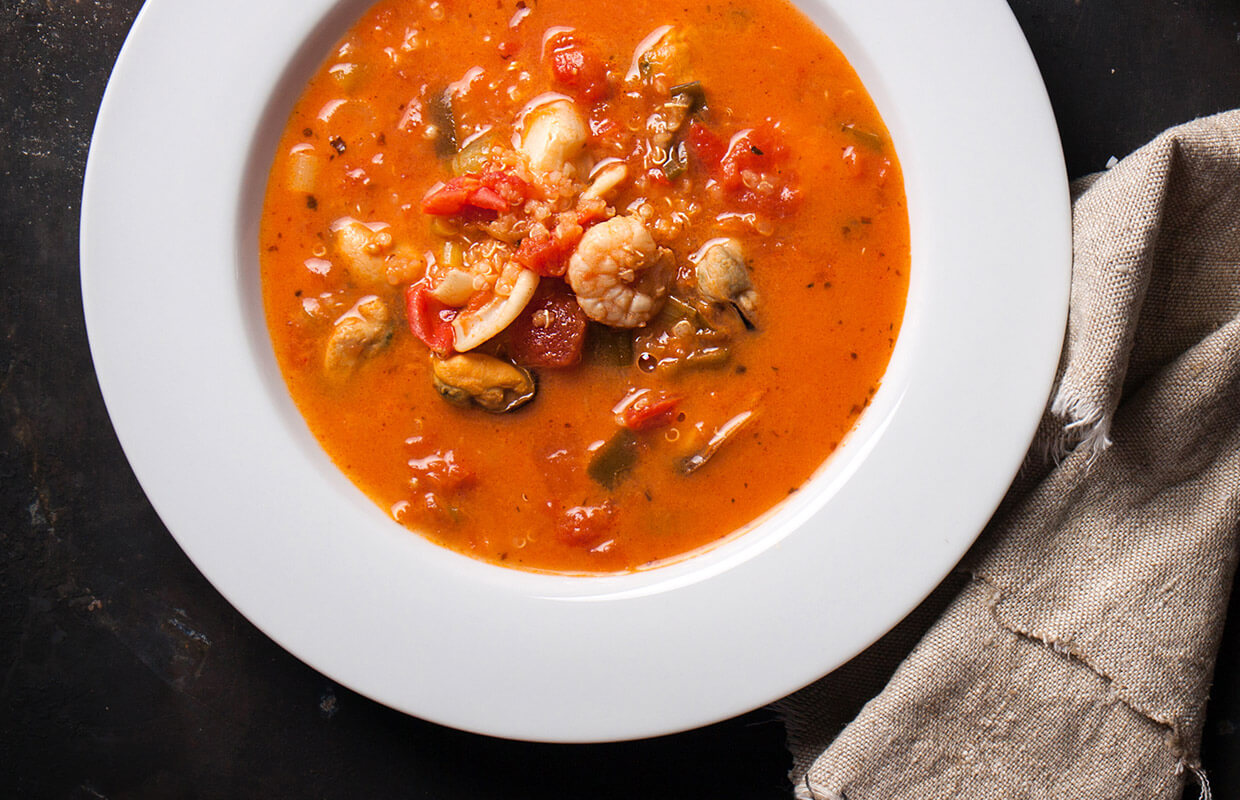
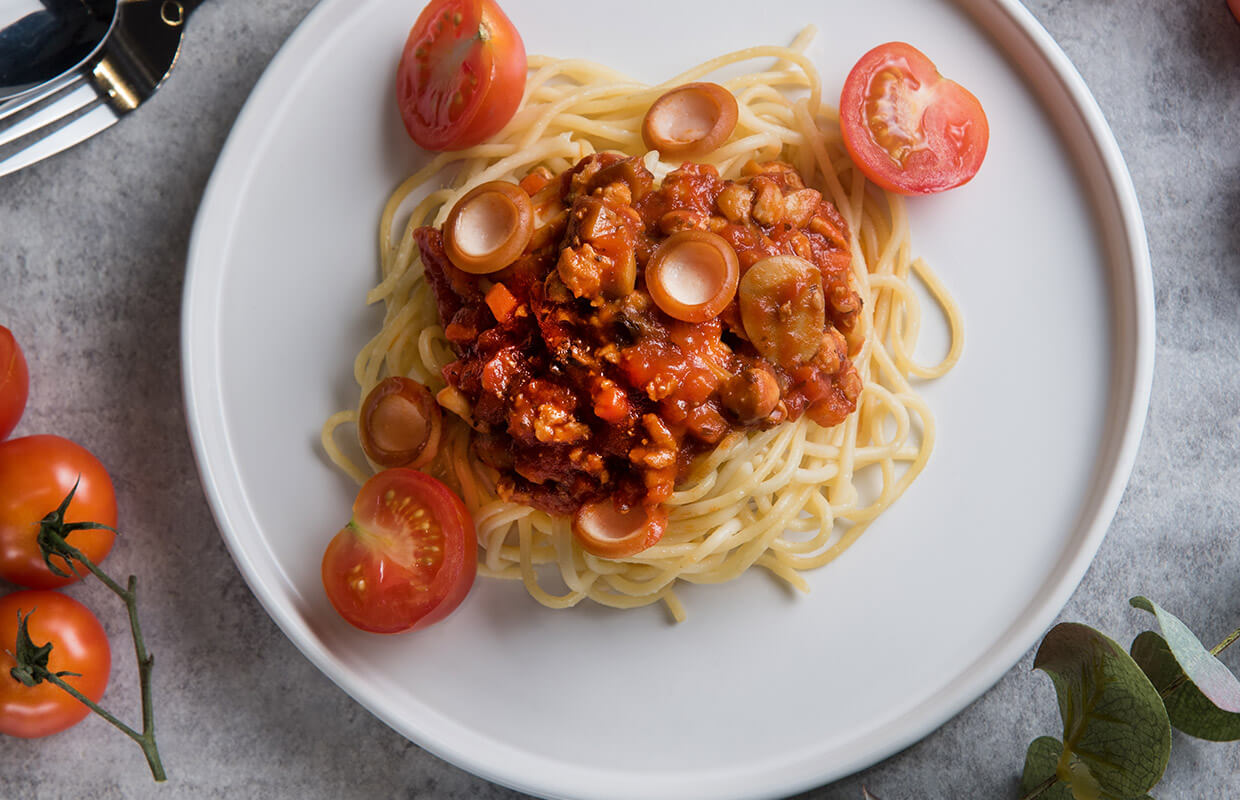
For example, tomatoes are acidic and slightly sweet, which is why they pair so well with olive oil (fat), salt, and herbs. Cheese adds umami and richness, while basil contributes aroma and freshness.
Understanding these profiles helps you predict which ingredients will work together before you even start cooking.
Classic ingredient pairings and why they work
Some combinations have stood the test of time because they naturally balance each other:
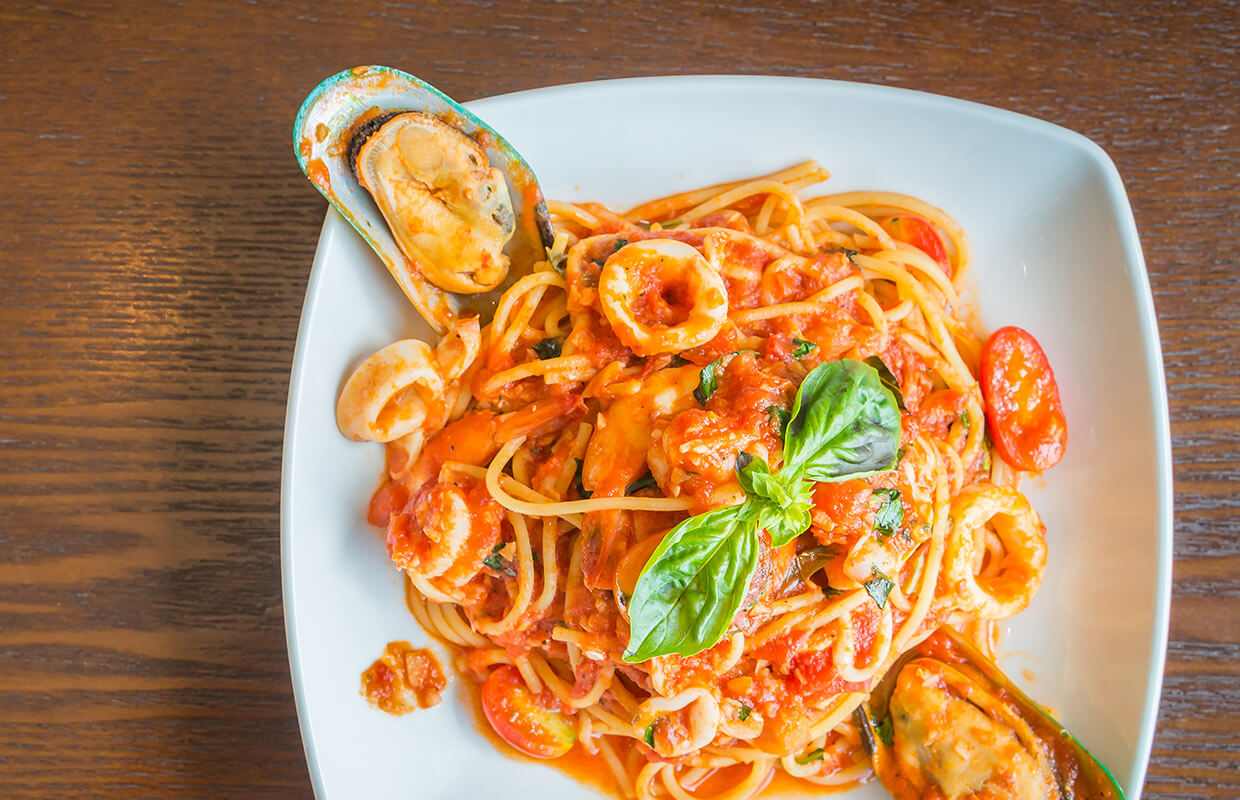
- Tomatoes and basil: acidity meets freshness
- Chicken and herbs: mild protein enhanced by aroma
- Garlic and olive oil: pungency softened by fat
- Lemon and fish: brightness cutting through richness
- Chocolate and salt: sweetness sharpened by contrast
These pairings succeed because they address balance, not trend.
Texture matters as much as flavor
Ingredient pairing isn’t only about taste. Texture plays an equally important role. Crunchy elements add contrast to soft dishes, while creamy components bring comfort to crisp or dry foods.
For example, adding toasted nuts to salads provides texture and depth. Creamy sauces balance grilled or roasted foods. Paying attention to texture improves the eating experience as much as seasoning does.
Herbs and spices as connectors
Herbs and spices act as bridges between ingredients. They can link flavors that might otherwise feel disconnected.
Cumin connects earthy vegetables and meats. Rosemary enhances roasted foods. Paprika ties sweetness and smokiness together. When used thoughtfully, spices help ingredients communicate rather than compete.
Building your own ingredient combinations
Instead of memorizing pairings, focus on relationships:
- Does the dish need brightness? Add acid.
- Does it feel flat? Add salt or umami.
- Is it too sharp? Add fat.
- Is it heavy? Add something fresh.
Start with one main ingredient and build around it slowly. Taste often and adjust gradually.
Common pairing mistakes to avoid
Overloading dishes with too many strong flavors can create confusion rather than complexity. Another mistake is copying combinations without adjusting for ingredient quality or portion size.
Good pairing is subtle. If everything is competing for attention, nothing stands out.
Turning pairing knowledge into confidence
When you understand why ingredients work together, cooking becomes flexible and creative. You can substitute ingredients, adjust recipes, and invent new dishes with confidence.
At Magicooks, we emphasize ingredient logic over rigid rules. This approach helps home cooks develop intuition and create flavorful meals using what they already have.
Ingredient pairing isn’t about perfection — it’s about awareness. Once you start thinking in terms of balance, contrast, and harmony, building great flavor becomes second nature.